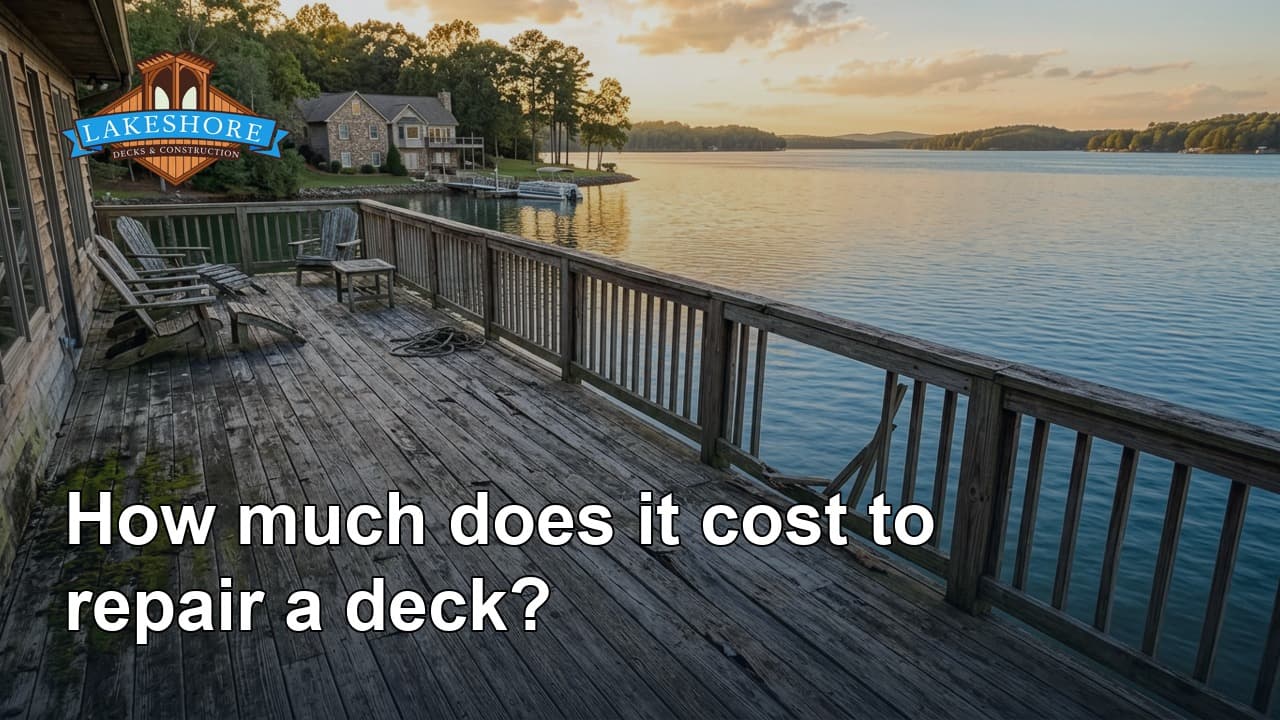
A deck is more than just an outdoor structure; it's an extension of your home, a place for relaxation, entertainment, and making memories. However, like any part of your property exposed to the elements, decks are subject to wear and tear over time. From scorching sun to freezing winters, rain, and foot traffic, various factors can contribute to deterioration, making repairs an inevitable part of homeownership. Understanding the potential deck repair cost is crucial for budgeting and making informed decisions about your outdoor living space. The price tag for fixing a deck can vary dramatically, depending on the type and extent of the damage, the materials involved, and whether you opt for a DIY approach or professional help. This comprehensive guide will break down the key factors influencing deck repair expenses, help you identify common issues, and provide insights into when to repair versus replace your deck.
Factors Influencing Deck Repair Costs
Several variables contribute to the overall cost of repairing a deck. Recognizing these factors can help you better anticipate expenses and understand the estimates you receive.
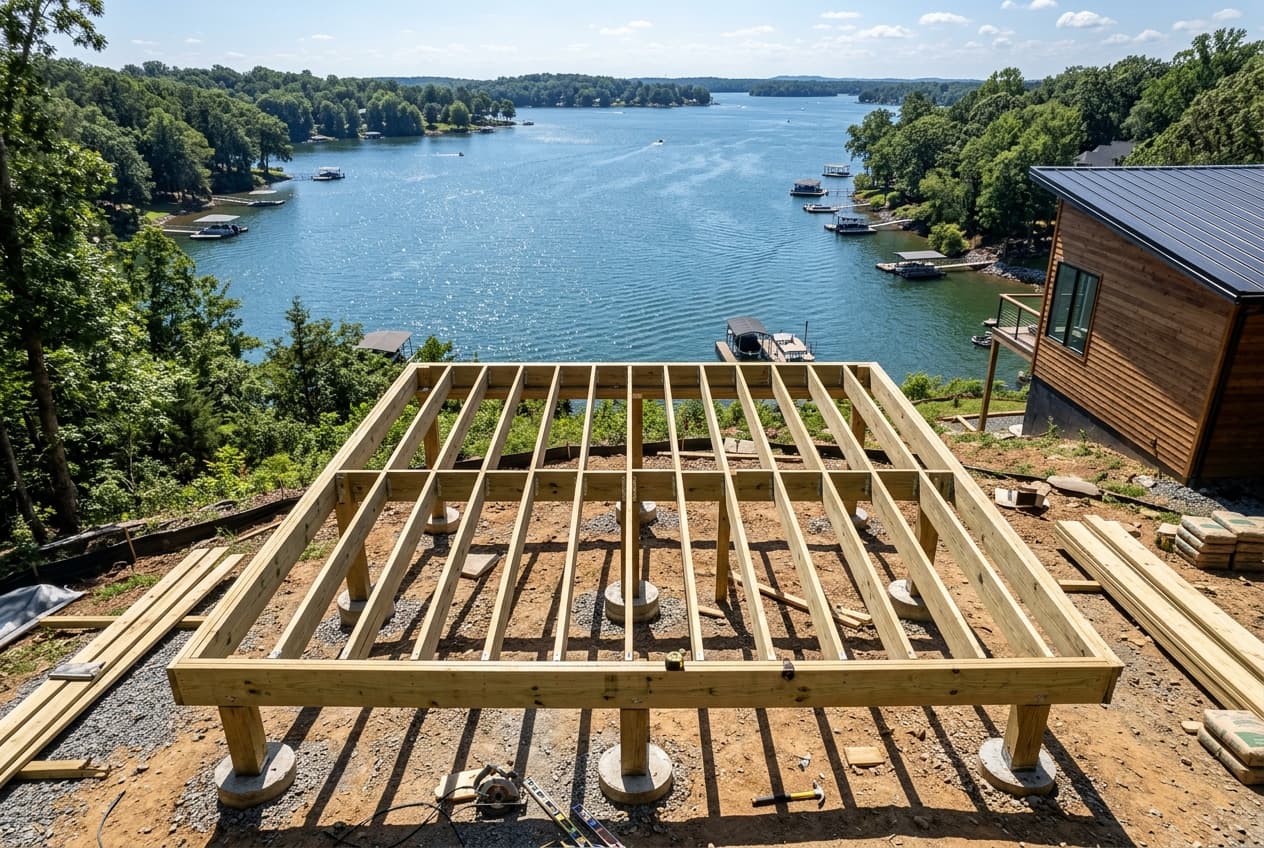
• Type and Extent of Damage: This is arguably the most significant factor. Minor issues like a loose board or a wobbly railing will naturally cost less to fix than structural damage involving rotten joists, support beams, or the ledger board. Extensive damage often requires more materials and labor.
• Deck Materials: The type of material your deck is made from plays a direct role in repair costs. Pressure-treated pine is generally less expensive to replace than premium woods like cedar or redwood, and composite decking often has a higher material cost but may require less maintenance over time.
• Labor Rates: Labor costs vary based on the complexity of the job, the required skill level, and regional economic factors. Experienced professionals, like our team at Lakeshore Deck Builder and Construction, bring expertise and efficiency, which can sometimes save money in the long run by ensuring the job is done right the first time.
• Accessibility: Decks that are difficult to access, perhaps due to landscaping, tight spaces, or being on a second story, can incur higher labor costs because they require more time and effort to work on.
• Age of the Deck: Older decks might have more widespread issues, meaning that fixing one problem might reveal others. The availability of matching materials can also be a challenge with very old decks, potentially increasing costs.
• Permit Requirements: For significant structural repairs, you might need a building permit. The cost of permits varies by jurisdiction and adds to the overall project expense.
Want an exact number for your project?
Common Deck Repair Issues and Their Typical Costs
To give you a clearer picture, let's look at some common deck repair scenarios and the typical cost ranges associated with them.
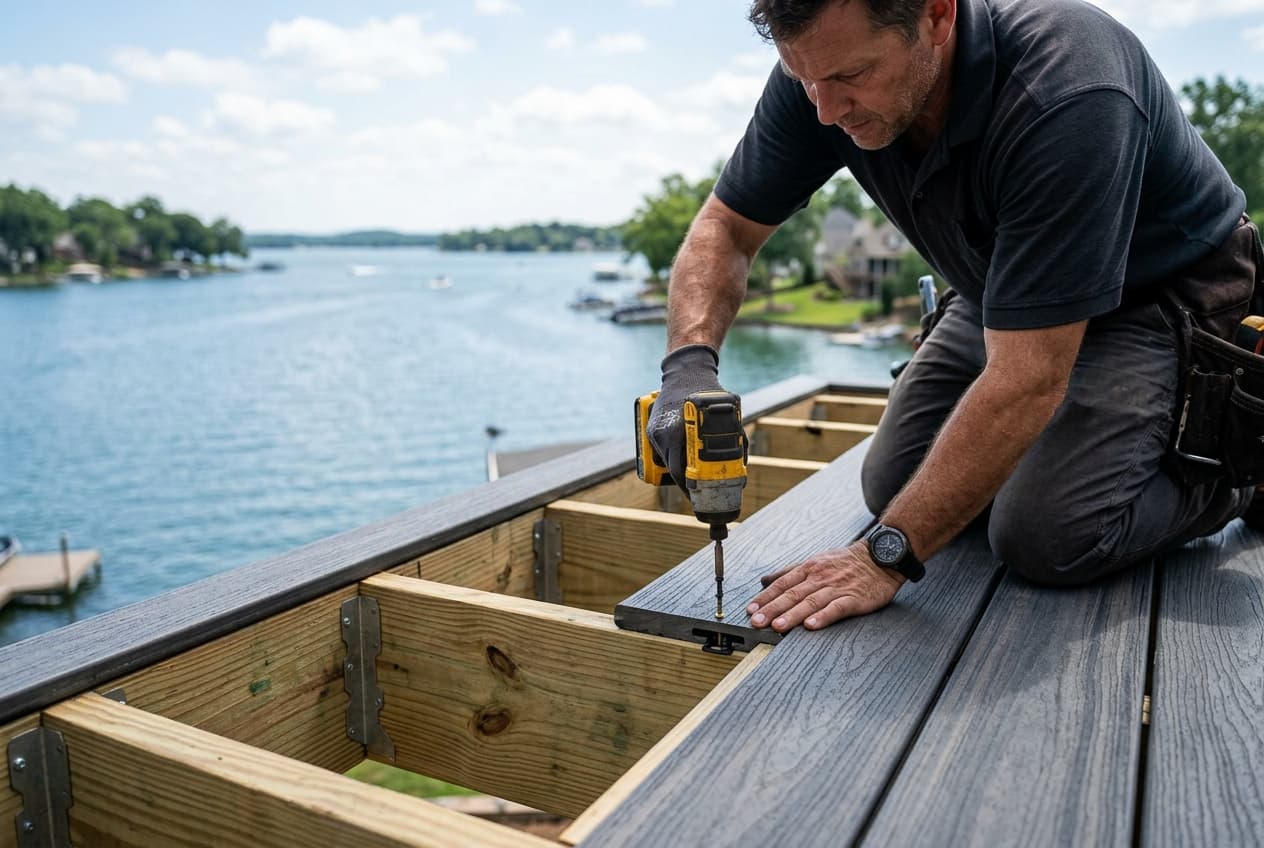
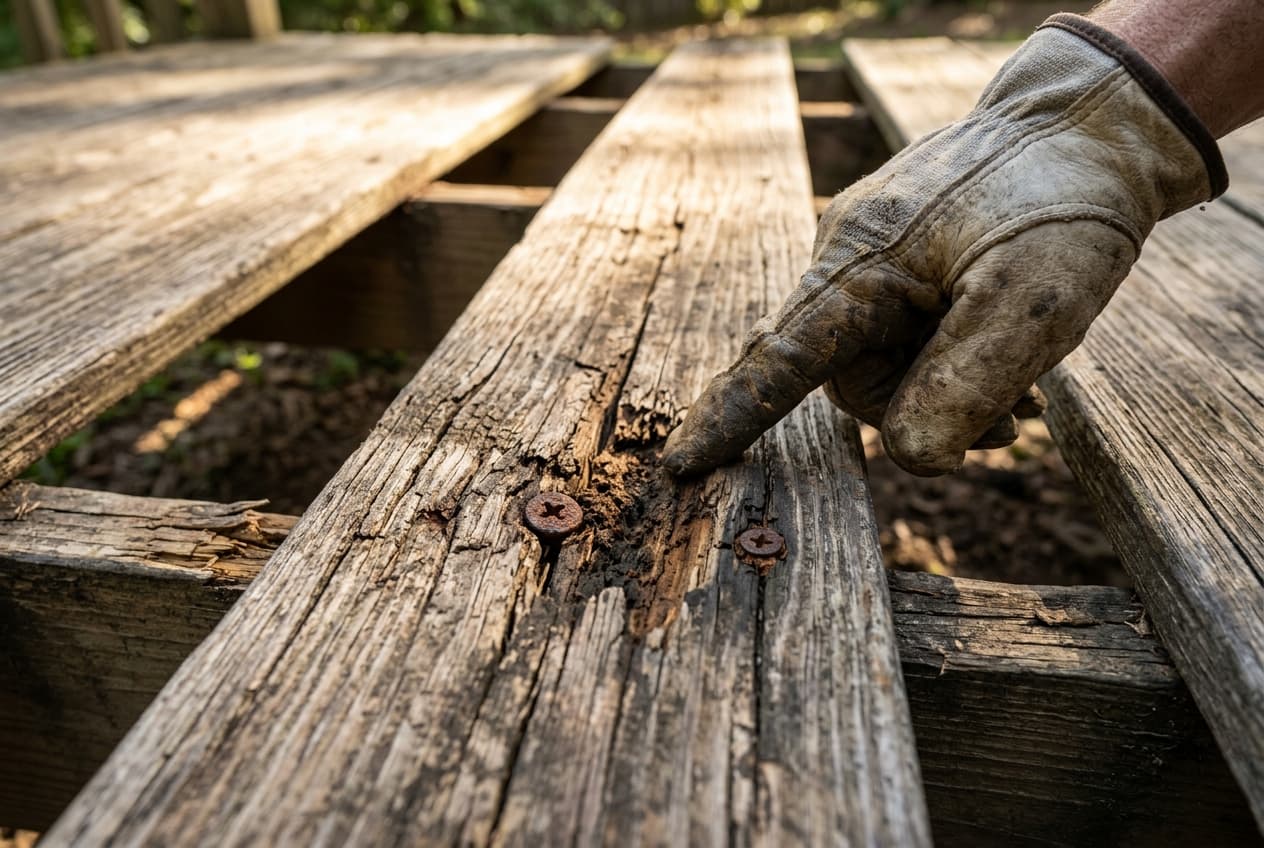
• Loose or Damaged Deck Boards (Decking): Issue: Individual boards might be warped, cracked, splintered, or rotten. Fasteners might be loose or popped up.
• Repair: Replacing individual boards, re-securing loose ones, or sanding down splinters.
• Cost: $10 - $50 per board for material, plus labor. Minor repairs might be $100 - $300. More extensive board replacement could range from $500 - $1,500 depending on the number of boards and material choice.
• Railing and Baluster Repair: Issue: Wobbly railings, broken balusters (spindles), or loose posts. This is a significant safety concern.
• Repair: Replacing individual balusters, tightening rail sections, or re-securing/replacing posts.
• Cost: $15 - $75 per baluster/spindle, plus labor. A small section of railing repair could be $200 - $600, while more extensive railing overhaul might be $800 - $2,500.
• Stair Repair: Issue: Worn, cracked, or rotten treads, wobbly risers, or deteriorating stringers (the side supports of the stairs).
• Repair: Replacing treads, risers, or entire stringers.
• Cost: Replacing a few treads might be $150 - $400. If stringers are damaged, the cost can jump to $500 - $2,000 per set of stairs, as it's a more complex structural repair.
• Structural Component Repair (Joists, Beams, Ledger Board): Issue: Rotten or damaged joists (horizontal supports for decking), beams (supports for joists), or the ledger board (attaches the deck to the house). These are critical for deck safety.
• Repair: Reinforcing or replacing damaged structural members. Often requires temporarily supporting the deck.
• Cost: This is typically the most expensive type of repair, ranging from $800 - $5,000+, depending on the extent of the damage and accessibility. This often involves significant labor and specialized skills.
• Footing and Post Repair: Issue: Shifting footings, rotten posts, or posts sinking into the ground.
• Repair: Re-leveling footings, replacing posts, or adding concrete supports.
• Cost: $300 - $1,500 per post/footing, or more if multiple are affected or if significant re-excavation is needed.
• Deck Resurfacing, Cleaning, and Sealing: Issue: Faded, dirty, or mildewed surfaces; minor surface cracks; lack of protection.
• Repair: Pressure washing, sanding, applying stain or sealant.
• Cost: $300 - $1,000 for cleaning and sealing, depending on deck size and condition. This is more of a maintenance item but prevents larger repairs.
Material Costs for Deck Repair
The choice of materials significantly impacts the repair budget. Here’s a general breakdown:
• Pressure-Treated Lumber: This is the most common and economical choice for structural components and often for decking. Costs are relatively low, but it requires regular maintenance (staining/sealing).
• Cedar/Redwood: These natural woods offer beauty and natural resistance to rot and insects but come at a higher price point than pressure-treated lumber.
• Composite Decking: Made from a blend of wood fibers and plastic, composite materials are highly durable, low-maintenance, and resistant to rot, insects, and splintering. However, the initial material cost is typically higher than natural wood. Repairing composite often means replacing full sections, which can be costly if only a small area is damaged.
• Fasteners and Hardware: Don't forget the cost of screws, nails, joist hangers, and other hardware. Using corrosion-resistant fasteners is crucial for longevity, especially with treated lumber.
• Concrete: For footings or pier repairs, concrete costs will be a factor.
Labor Costs: What to Expect
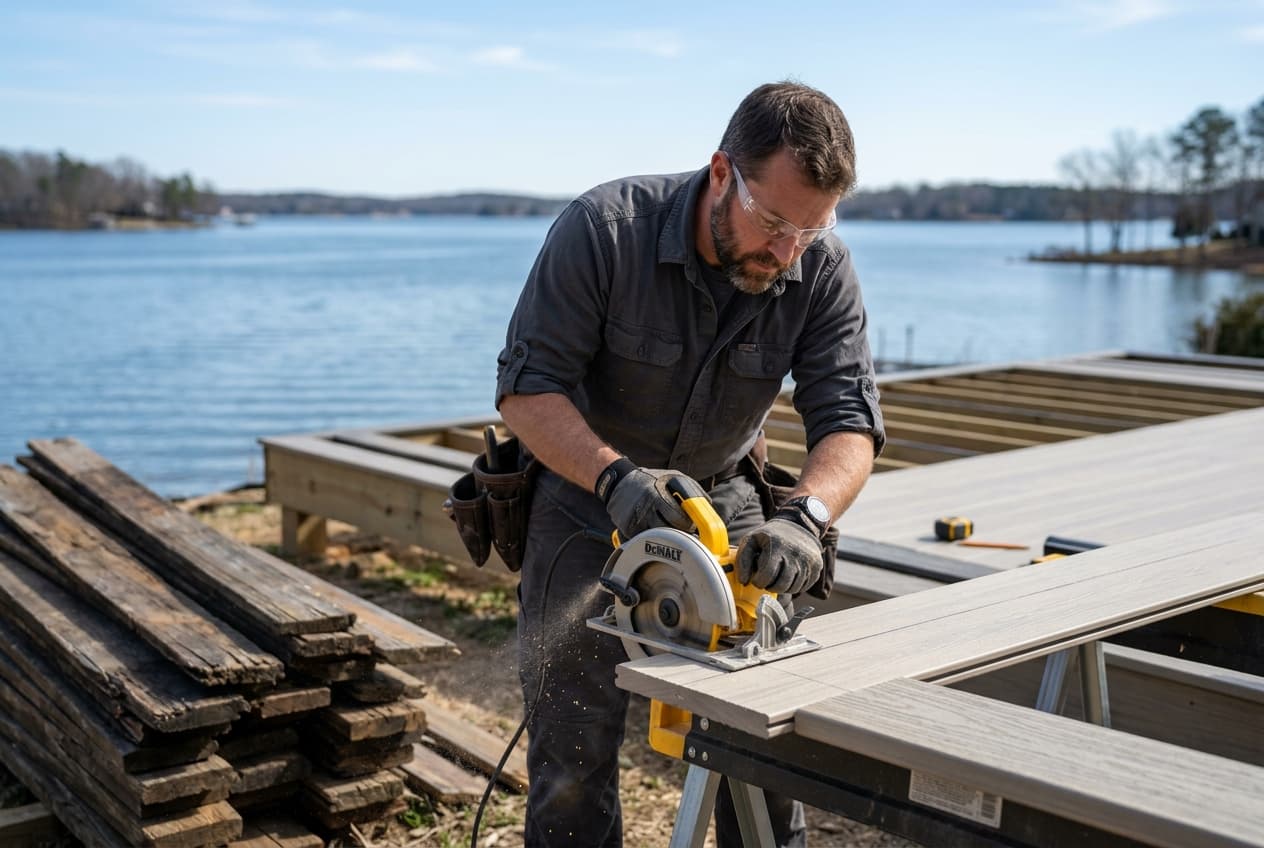
Labor is often the largest component of professional deck repair costs. Here's what influences it:
• Hourly vs. Project-Based: Some contractors might charge an hourly rate (e.g., $75 - $150 per hour per worker), while others provide a fixed project quote. For smaller, straightforward repairs, an hourly rate might be reasonable. For larger, more complex jobs, a project-based quote offers more predictability.
• Skill and Experience: Highly skilled and experienced deck builders, like Lakeshore Deck Builder and Construction, may have higher rates, but their expertise can ensure the repair is done efficiently, safely, and to code, potentially preventing future problems.
• Crew Size: Larger or more complex jobs might require a team of workers, increasing overall labor hours.
• Complexity of the Repair: Repairs involving structural elements, custom designs, or difficult access will demand more time and specialized skills, leading to higher labor costs.
DIY vs. Professional Deck Repair
When faced with deck damage, homeowners often weigh the option of tackling repairs themselves versus hiring a professional.
• DIY Advantages: Cost Savings: The primary benefit is saving on labor costs.
• Flexibility: You can work on your own schedule.
• Satisfaction: The pride of completing a home improvement project.
• DIY Disadvantages: Time Commitment: Repairs can be time-consuming, especially for novices.
• Required Skills and Tools: You need the right knowledge, tools, and safety equipment. Improper repairs can lead to further damage or safety hazards.
• Safety Risks: Working with power tools and on elevated structures carries inherent risks.
• Potential for Errors: Mistakes can be costly and may require professional correction later.
• Professional Advantages: Expertise and Experience: Professionals have the knowledge to diagnose problems accurately and execute repairs correctly and efficiently.
• Safety: They adhere to safety protocols and have the right equipment.
• Quality and Durability: Professional work often ensures a higher quality, longer-lasting repair that meets building codes.
• Warranty: Reputable contractors typically offer warranties on their work.
• Time Savings: They complete the job faster, allowing you to enjoy your deck sooner.
For minor cosmetic issues like replacing a few loose boards or re-staining, DIY might be feasible. However, for structural damage, extensive rot, or any repair affecting the safety of your deck, hiring a professional like Lakeshore Deck Builder and Construction is highly recommended.
When to Repair vs. Replace Your Deck
Deciding whether to repair or replace your deck is a significant decision. Here are some guidelines:
• Consider Repair if: The damage is localized (e.g., a few rotten boards, a wobbly railing section).
• The deck's foundation and main structural components (joists, beams, ledger board) are sound.
• The cost of repairs is significantly less than the cost of a new deck (generally, if repairs are less than 25-50% of replacement cost).
• You are happy with the current size, layout, and materials of your deck.
• Consider Replacement if: There is widespread structural damage, extensive rot, or multiple failing components.
• The deck is very old (over 20-25 years for wood, depending on maintenance) and nearing the end of its lifespan.
• The cost of repairs approaches or exceeds 50% of the cost of a new deck.
• You want to change the size, layout, or material of your deck significantly.
• The deck does not meet current building codes, and bringing it up to code through repairs would be too extensive.
Getting an Accurate Estimate
To get a clear understanding of your deck repair cost, follow these steps:
• Thorough Inspection: Before requesting quotes, inspect your deck thoroughly or have a professional conduct an initial assessment. Identify all visible issues.
• Detailed Scope of Work: Clearly communicate what you believe needs to be repaired. Be as specific as possible.
• Get Multiple Quotes: Obtain estimates from at least three reputable contractors. This allows you to compare prices, approaches, and timelines.
• Review Proposals Carefully: Ensure each estimate includes a detailed breakdown of labor, materials, and any potential additional costs (e.g., permit fees, debris removal). Look for warranties on work and materials.
• Check References and Credentials: Verify that the contractor is licensed, insured, and has positive reviews or references.
Lakeshore Deck Builder and Construction offers free, transparent estimates, detailing every aspect of your deck repair project so you know exactly what to expect.
Maintaining Your Deck to Prevent Future Repairs
Regular maintenance is the best way to minimize future deck repair costs and extend the life of your deck. Here are some tips:
• Annual Inspection: Conduct a thorough inspection each spring. Look for loose fasteners, wobbly railings, splintering boards, signs of rot, and insect damage.
• Clean Regularly: Sweep your deck often to remove leaves and debris. Annually, clean your deck with a deck cleaner and a soft brush or pressure washer (on a low setting to avoid damage).
• Seal/Stain: Reapply a quality water repellent sealant or stain every 1-3 years for wood decks, depending on exposure and product type. This protects against moisture, UV rays, and mildew.
• Trim Vegetation: Keep trees and shrubs trimmed away from the deck to allow for proper airflow and reduce moisture buildup.
• Address Issues Promptly: Don't let small problems become big ones. Fix loose boards or railings as soon as you notice them.
Maintaining a safe and beautiful deck is an investment in your home and lifestyle. While deck repair costs can vary widely, understanding the contributing factors and knowing when to call in the professionals can save you stress and money in the long run. Whether you have a minor repair or a more extensive project, our team at Lakeshore Deck Builder and Construction is ready to provide expert guidance and quality workmanship.
For a reliable assessment and a free estimate on your deck repair needs, contact Lakeshore Deck Builder and Construction today. We're committed to restoring the beauty and safety of your outdoor living space. Call us at (602) 899-0687.
More ways to enjoy this guide
Watch & Listen
Listen to this article
Frequently Asked Questions
How often should I inspect my deck for repairs?
It's recommended to conduct a thorough inspection of your deck at least once a year, ideally in the spring, before heavy usage begins. Look for loose boards, wobbly railings, signs of rot, splintering, and any insect damage. Addressing minor issues promptly can prevent them from escalating into more costly problems.
Is it cheaper to repair or replace a deck?
Generally, minor repairs are significantly cheaper than a full deck replacement. However, if your deck has widespread structural damage, extensive rot affecting more than 25-50% of the structure, or if the cost of repairs approaches or exceeds half the cost of a new deck, replacement often becomes the more cost-effective and safer long-term solution. A professional assessment can help determine the best path.
What are the signs that my deck needs professional repair?
You should seek professional repair if you notice significant issues like widespread wood rot, especially in structural components (joists, beams, ledger board); major instability or wobbling in the deck or railings; large cracks or splits in critical support members; or if the deck is pulling away from the house. Any issue that compromises the deck's structural integrity or safety warrants professional attention.
Our Deck Services
Lakeshore Deck Builder and Construction designs and builds outdoor living spaces across the Lake Norman area:
Ready to Build?
Get a free estimate from Lakeshore Deck Builder and Construction — call (602) 899-0687 or reach out through lakeconstruction.net.