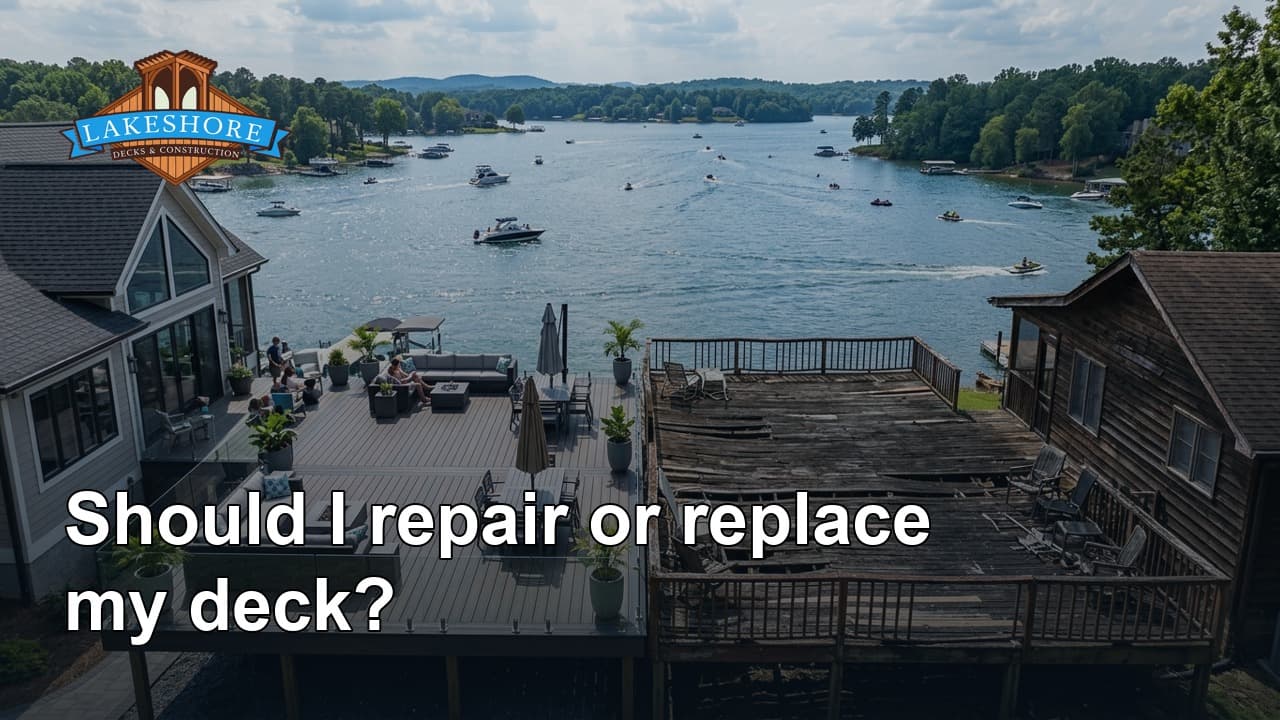
Every deck reaches a point where it starts asking for attention. Maybe a few boards have gone soft underfoot, the railing wobbles more than it used to, or the whole structure just looks tired after years of sun, rain, and freeze-thaw cycles. Whatever the trigger, most homeowners end up asking the same question: should I repair or replace my deck? The honest answer depends on more than how the deck looks from the yard. Age, structural condition, material type, and the extent of the damage all factor into whether a handful of targeted repairs will buy you several more years of safe use, or whether the smarter move is to remove the structure and start fresh. Guess wrong in either direction and you either waste money patching a deck that's already failing underneath, or you tear out a structure that only needed a few new boards and some fresh fasteners. At Lakeshore Deck Builder and Construction, this is one of the most common questions we're asked, and it deserves a real answer, not a guess. This guide walks through the signs that point toward repair, the signs that point toward replacement, what each option actually costs, and a simple framework you can use to make the call with confidence.
Signs Your Deck Needs Repair, Not Replacement
Not every problem means the deck is done for. In many cases, the underlying frame is sound and the issues are cosmetic or isolated to a small area. Common repair-only situations include a handful of boards that have cupped, split, or splintered while the rest of the decking remains solid; loose railings or balusters caused by a few worn fasteners rather than rotted posts; surface graying, staining, or mildew that hasn't penetrated the wood fibers; squeaky spots caused by nails backing out over time; and minor gaps between boards from normal seasonal shrinkage. If the damage is limited to the surface layer and the framing underneath still feels solid when tapped or probed, repair is usually the more cost-effective path.
Want an exact number for your project?
Signs It's Time for a Full Deck Replacement
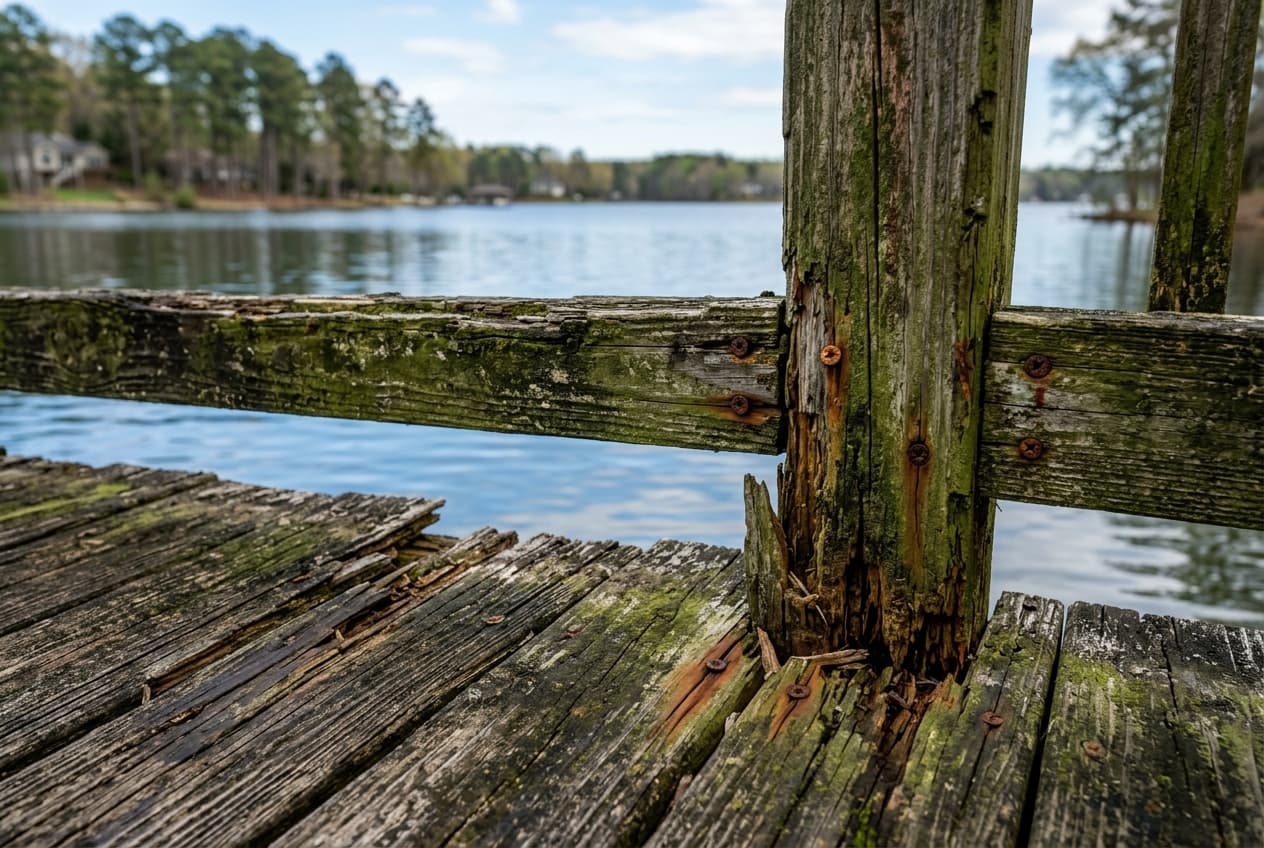
Some problems are a strong signal that patchwork repairs won't hold. Widespread rot in structural members like the ledger board, joists, or support posts is one of the biggest red flags, since these pieces carry the weight of everyone standing on the deck. Other warning signs include soft, spongy sections that extend across large areas rather than a single board, visible sagging or bounce when you walk across it, a structure that sways or shifts under load, failing or undersized footings, and a design that no longer meets current building code for railing height, baluster spacing, or stair construction. If a deck is older than 20 to 25 years and has never had its structural components inspected or upgraded, replacement is often the safer and more economical choice in the long run.
Deck Repair vs Replace: Comparing the Costs
Cost is usually the deciding factor once safety has been ruled out as a concern. Repairs are almost always cheaper upfront since you're only paying for materials and labor on the specific areas that are damaged. But repair costs can add up quickly if a deck needs attention every year or two, and there's a real risk of spending money on fixes that don't address an underlying structural issue. Replacement carries a higher upfront cost, but it resets the clock on the entire structure, often comes with a warranty, and can be a better long-term value if the current deck would otherwise need multiple rounds of repair over the next few years. A straightforward way to think about it: if repair costs are creeping past roughly half of what a full replacement would cost, replacement is usually the better investment.
How Deck Material Affects the Repair vs Replace Decision
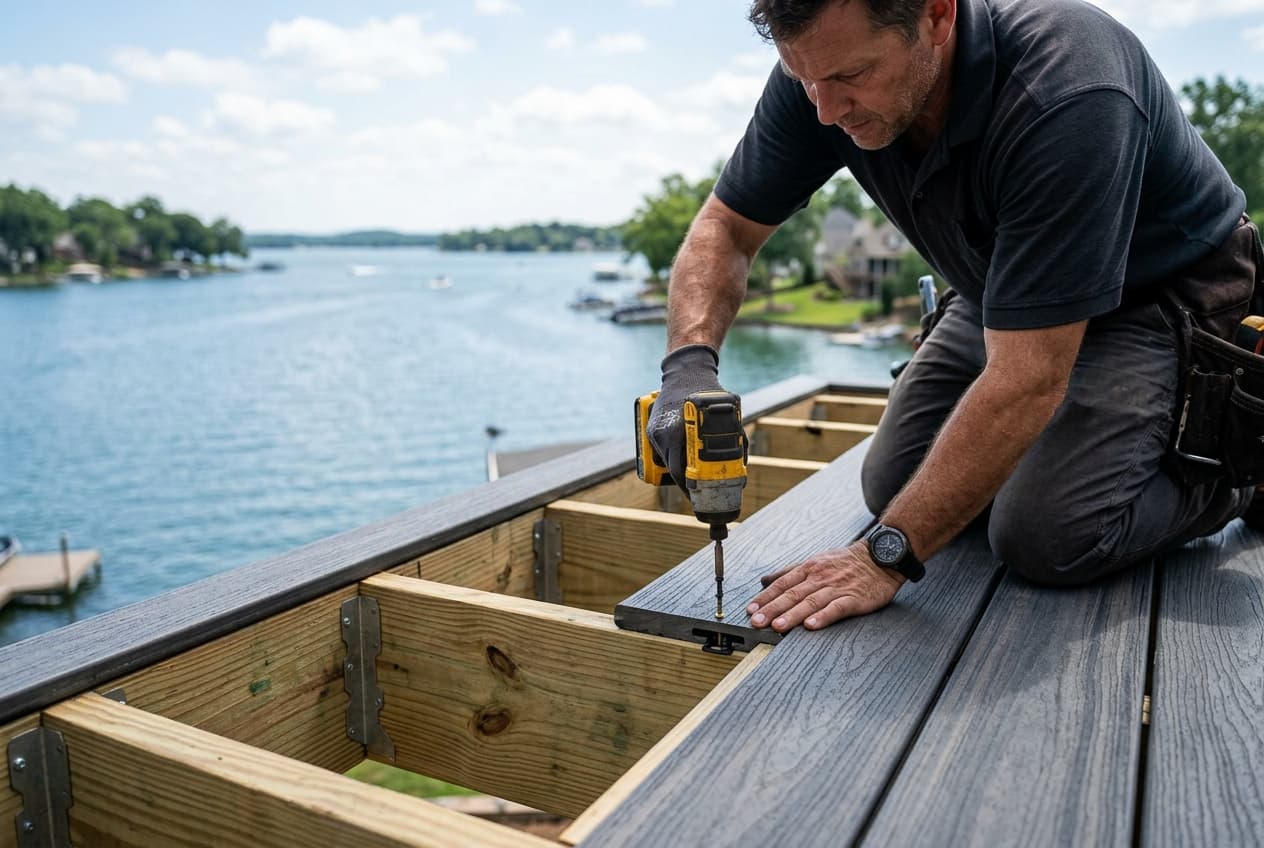
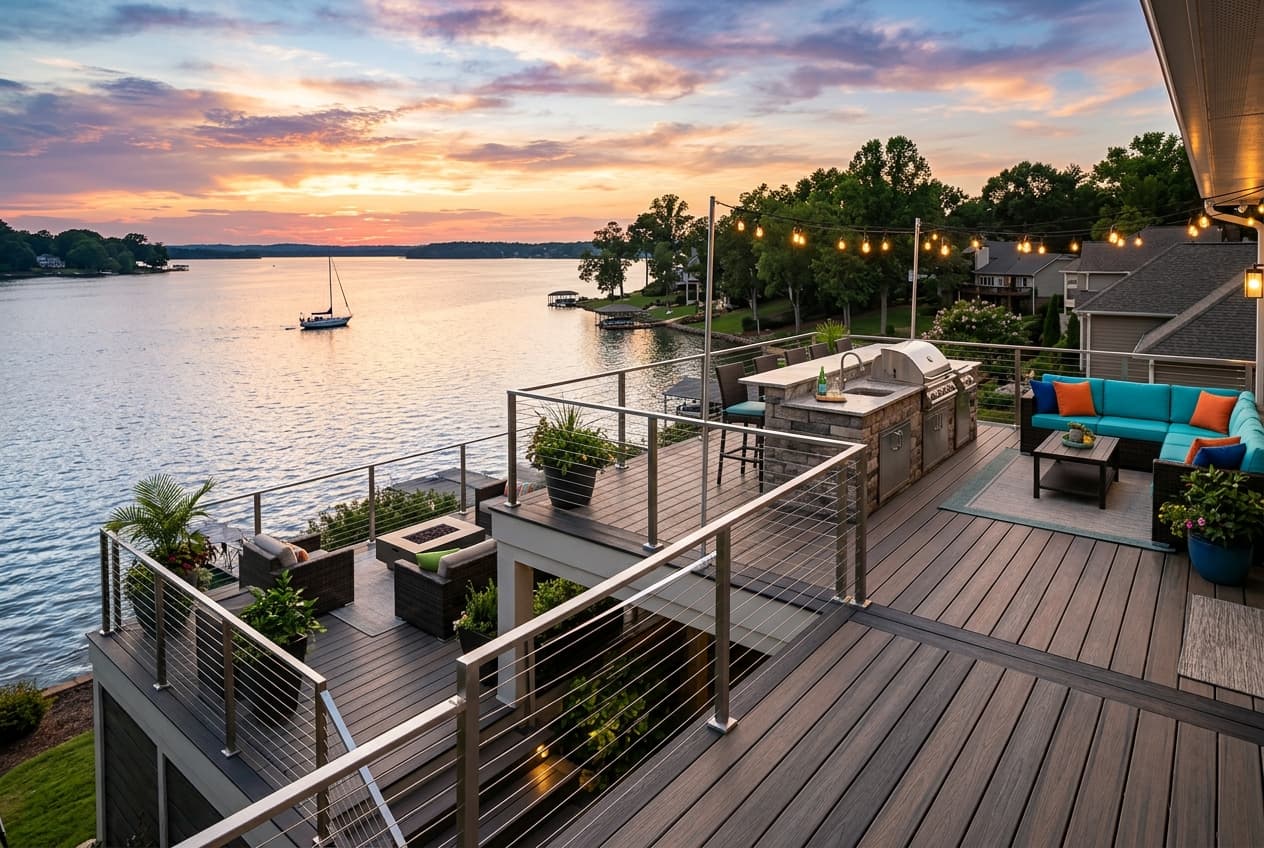
The material your deck is built from changes how this decision plays out. Pressure-treated wood is affordable to repair board by board, but it also has a shorter realistic lifespan and is more prone to rot, especially in shaded or poorly ventilated areas. Cedar and other natural woods age gracefully but still require regular sealing and are vulnerable to moisture damage if maintenance has lapsed. Composite and PVC decking resist rot and splintering far better than wood, but damaged composite boards typically can't be sanded or patched the way wood can, so isolated damage often means replacing individual boards rather than repairing them. Knowing what your deck is built from helps set realistic expectations for how far repairs can actually take you.
The Role of Deck Age and Structural Integrity
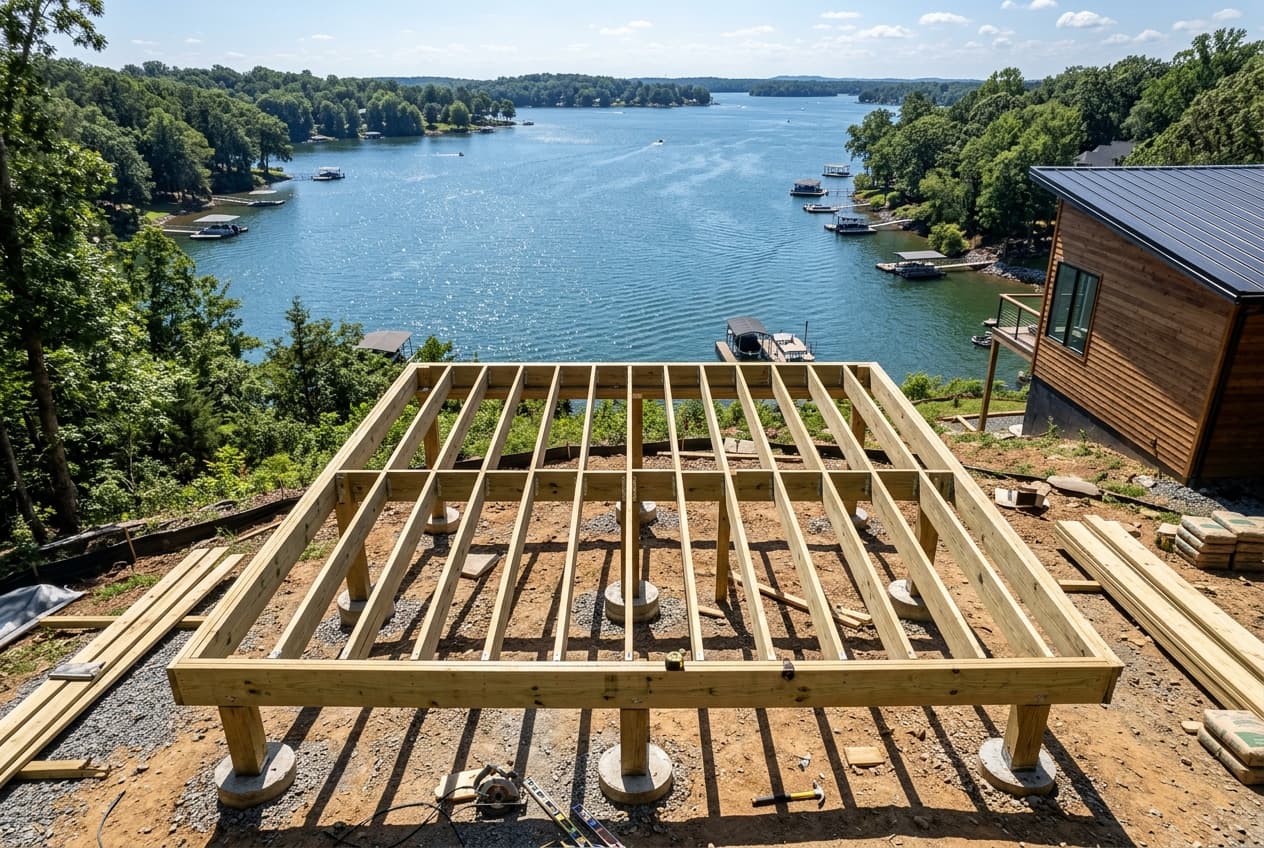
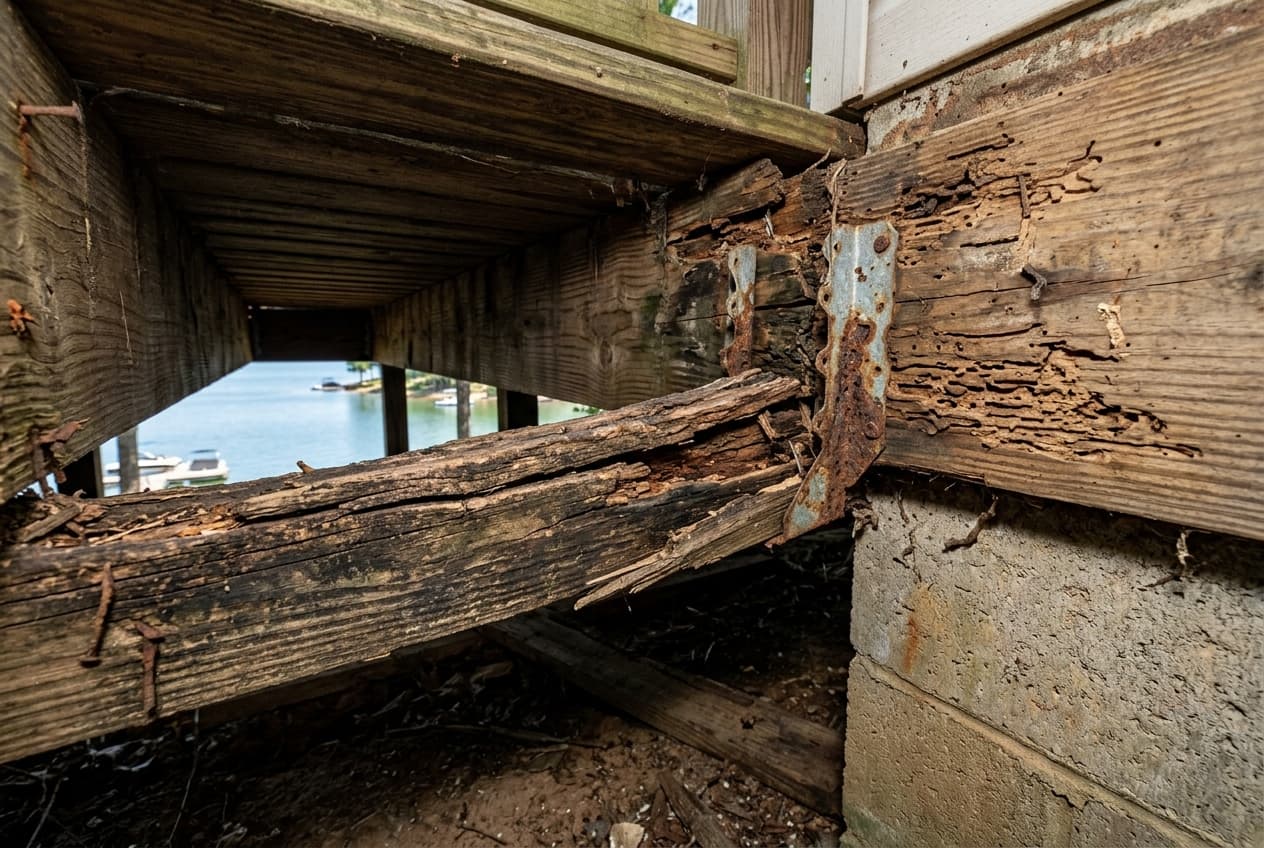
Age alone doesn't tell the whole story. A 15-year-old deck that was poorly built, under-fastened, or never properly flashed at the house connection can be in worse shape than a well-maintained 25-year-old deck. What matters most is the condition of the structural framework: how the ledger board is attached to the house, whether joists are properly sized and spaced, whether hardware is corroded or rusted through, and whether the footings are still solid and free of movement. A visual inspection from the top rarely tells the full story, which is why checking underneath the deck and at every structural connection point is essential before deciding which direction to go.
Safety Considerations You Shouldn't Ignore
Some issues aren't just about appearance or convenience, they're about whether the deck is safe to use. The ledger board connection to the house is one of the most common failure points in deck collapses, so any sign of separation, rot, or improper flashing there should be taken seriously. Guardrails and stair railings need to meet minimum height and spacing requirements to prevent falls, and stair stringers need to be free of cracks or rot since they bear repeated impact. Corroded fasteners, especially on older decks built before modern coated hardware became standard, can quietly weaken connections over years without any visible warning. When safety-critical components are compromised, replacement is almost always the responsible choice, even if the rest of the deck looks fine.
How to Decide: A Simple Decision Framework
When you're trying to make the call, it helps to work through the decision in order rather than reacting to the first problem you notice. Start by inspecting the structural components first, since surface issues rarely matter if the frame underneath is failing. Next, get a professional assessment rather than relying on a quick visual check, since many structural problems aren't visible from above. From there, compare the total cost of the needed repairs against the cost of full replacement, and use that half-cost threshold as a general guide. Finally, factor in how many more years you want out of the deck. If you're planning to sell your home soon, a repair may make sense; if you plan to stay long-term, replacement often pays for itself. If you're weighing your options and want a professional opinion, a service built around deck repair vs replace decisions can identify exactly what your deck needs before you spend a dollar.
More ways to enjoy this guide
Watch & Listen
Listen to this article
Frequently Asked Questions
How much does it cost to repair a deck compared to replacing it?
Repair costs vary widely depending on the extent of the damage, but they're generally a fraction of full replacement cost when the issue is limited to a handful of boards or fasteners. Replacement costs more upfront but eliminates the need for repeated repairs down the road. A professional inspection is the best way to get an accurate estimate for your specific deck.
Can I repair just part of my deck and leave the rest alone?
In many cases, yes. If the structural frame is sound and the damage is isolated, partial repairs are a perfectly reasonable approach. The key is making sure the areas you're not repairing are actually structurally sound and not just cosmetically acceptable, which is why a full inspection matters before deciding to do a partial repair.
How long does a full deck replacement take?
Most deck replacements take anywhere from a few days to about two weeks, depending on the size of the deck, the material chosen, weather conditions, and whether any permitting or inspections are required. Repairs are typically much faster, often completed in a single day for smaller jobs. Whether your deck needs a few new boards or a complete rebuild, getting an honest, experienced opinion makes all the difference. Lakeshore Deck Builder and Construction has helped countless homeowners make this exact decision, and we're happy to walk your deck with you and tell you the truth about what it needs. Call us today at (602) 899-0687 to schedule an inspection.
Our Deck Services
Lakeshore Deck Builder and Construction designs and builds outdoor living spaces across the Lake Norman area:
Ready to Build?
Get a free estimate from Lakeshore Deck Builder and Construction — call (602) 899-0687 or reach out through lakeconstruction.net.