Composite decking has revolutionized outdoor living spaces, offering a compelling alternative to traditional wood. When considering an investment in a new deck, one of the most common and crucial questions homeowners ask is: "How long does a composite deck last?" Understanding the lifespan of composite decking is key to making an informed decision, as it directly impacts your long-term satisfaction and the overall value of your home. Unlike natural wood, which is susceptible to rot, insect infestation, and constant maintenance, composite materials are engineered for durability and longevity. This advanced composition contributes significantly to their extended service life. However, simply knowing the average lifespan isn't enough; it's essential to delve into the various factors that influence how long your particular composite deck will stand up to the elements and everyday use. Lakeshore Deck Builder and Construction is committed to providing you with the insights you need to understand this increasingly popular decking choice.
Understanding the Average Composite Deck Lifespan
On average, a well-maintained composite deck can last anywhere from 25 to 30 years, and often even longer. This is a significant improvement over traditional pressure-treated wood decks, which typically last 10 to 15 years before showing significant signs of wear or requiring major repairs. The extended composite deck lifespan is a primary reason for its growing popularity, offering homeowners a long-term, low-maintenance solution for their outdoor living areas.
The lifespan isn't a fixed number, however. It's an estimation based on the quality of the materials, the precision of the installation, and the level of care it receives over the decades. Modern composite decking technology has evolved considerably, with many manufacturers now offering warranties that reflect this enhanced durability, often extending for 25 years or more. These warranties are a strong indicator of the expected performance and longevity of the product.
Want an exact number for your project?
Key Factors Influencing Composite Deck Longevity
Several critical factors play a role in determining how long your composite deck will last. Understanding these can help you maximize your investment and ensure your deck remains a beautiful and functional part of your home for decades.
Not all composite decking is created equal. The market offers a range of products, from entry-level options to premium, high-performance lines. Higher-quality composites typically feature a more robust composition, often including a protective cap layer that enhances resistance to fading, staining, scratching, and mold. This cap layer is crucial for protecting the core material from environmental degradation. Investing in a reputable brand and a higher-grade material can significantly extend your deck's life and maintain its aesthetic appeal over time.
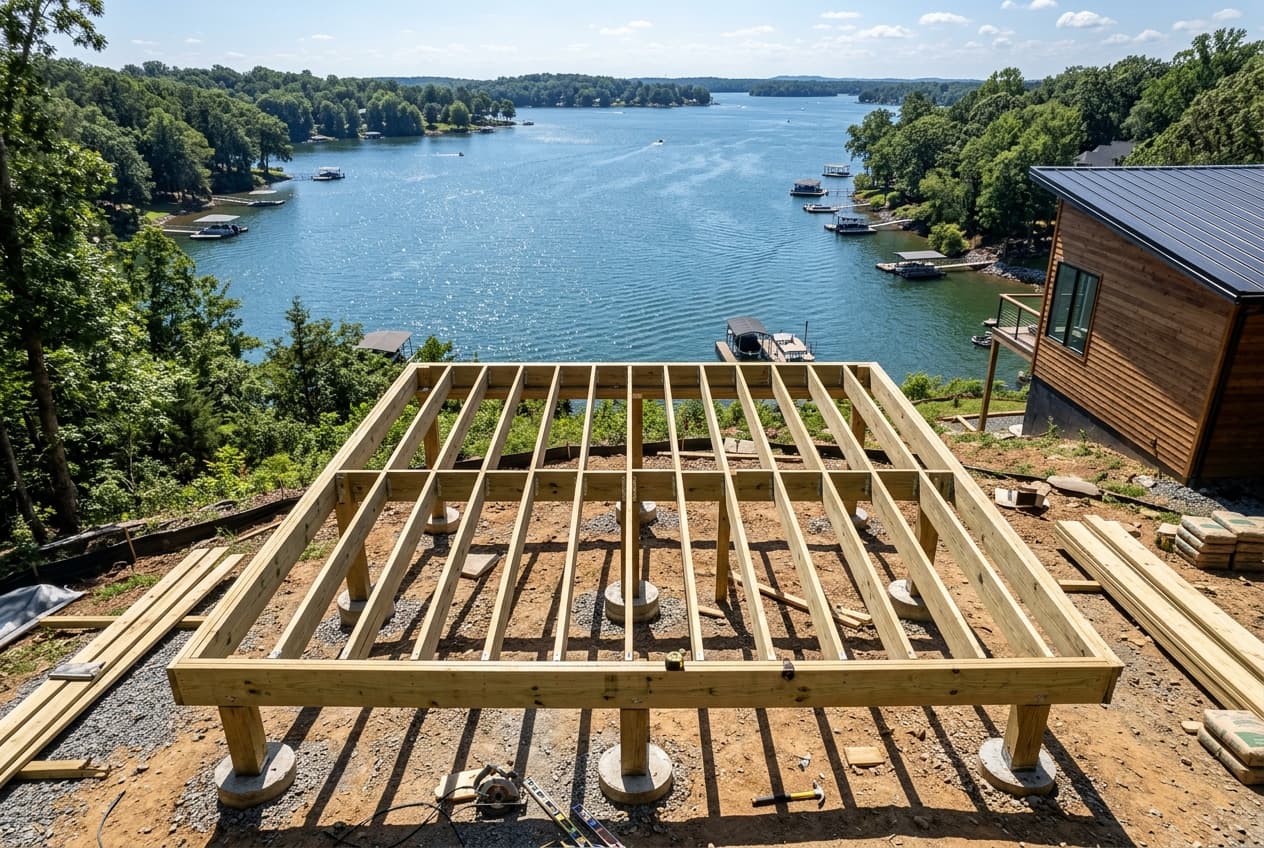
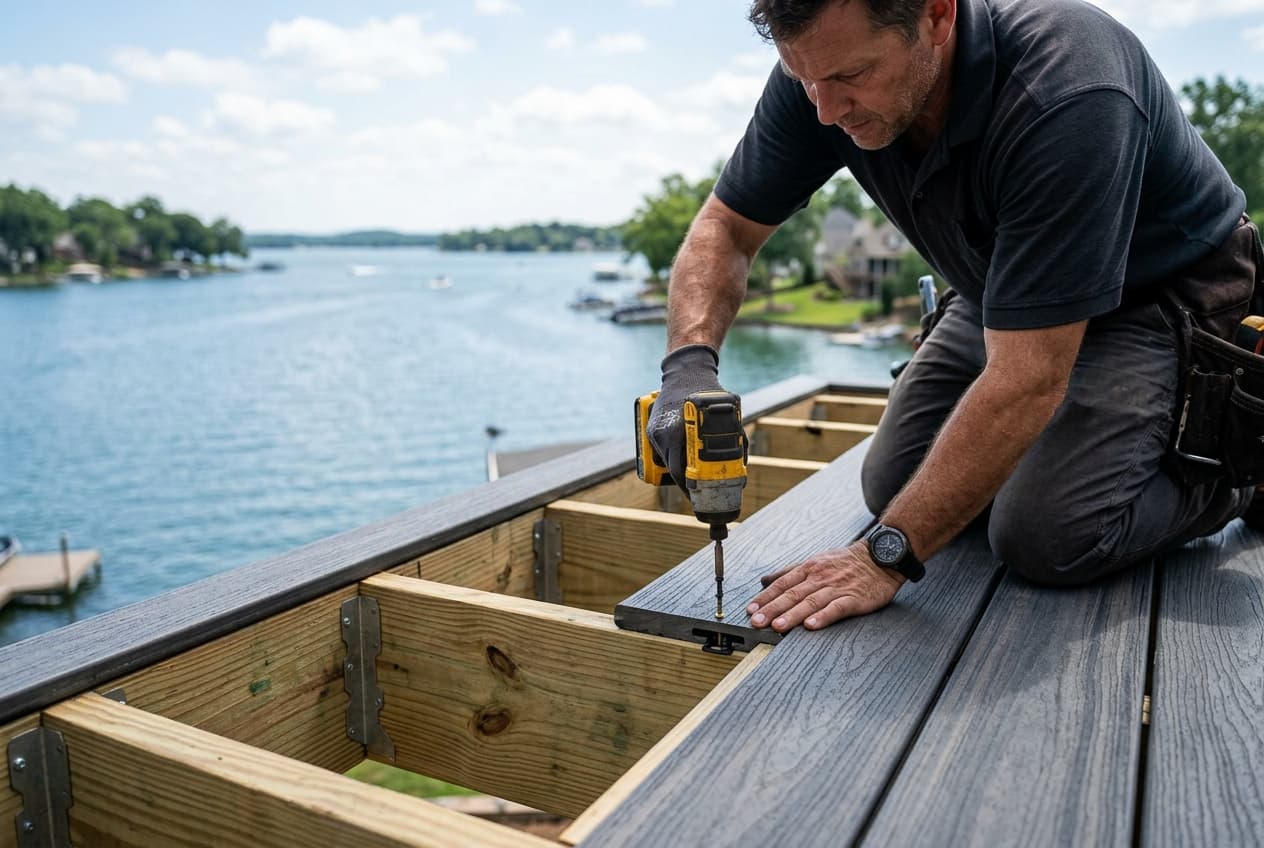
Even the highest quality composite material can fail prematurely if not installed correctly. Proper installation is paramount. This includes ensuring adequate spacing between boards for drainage and expansion/contraction, using the correct fasteners, and constructing a stable and level substructure. A professional deck builder like Lakeshore Deck Builder and Construction has the expertise and experience to adhere to manufacturer guidelines and industry best practices, preventing common issues such as buckling, warping, or uneven surfaces that can shorten a deck's life and compromise its safety.
The environment your deck is exposed to plays a significant role in its longevity. Decks in areas with extreme temperature fluctuations, high humidity, intense UV exposure, or heavy rainfall may experience more wear and tear than those in more moderate climates. While composite decks are designed to resist these elements better than wood, prolonged exposure to harsh conditions can still impact their appearance and structural integrity over many years. Regular cleaning and attention to drainage can mitigate some of these effects.
Although composite decks are considered low-maintenance, they are not maintenance-free. Regular cleaning is essential to prevent the buildup of dirt, grime, mold, and mildew, which can degrade the surface over time and diminish its appearance. Simple tasks like sweeping, washing with soap and water, and occasionally using a pressure washer (on a low setting, following manufacturer guidelines) can make a big difference. Addressing spills promptly and removing debris can prevent stains and maintain the deck's protective surface. Neglecting these basic tasks can shorten the deck's aesthetic life, even if its structural integrity remains sound.
The amount and type of traffic your deck receives can also influence its lifespan. A deck that sees daily heavy foot traffic, constant movement of furniture, or hosts frequent parties may show signs of wear, such as surface scratches or scuffs, sooner than a deck used more sparingly. While composite materials are durable, they are not indestructible. Using protective pads under furniture and being mindful of heavy objects can help preserve the deck's surface.
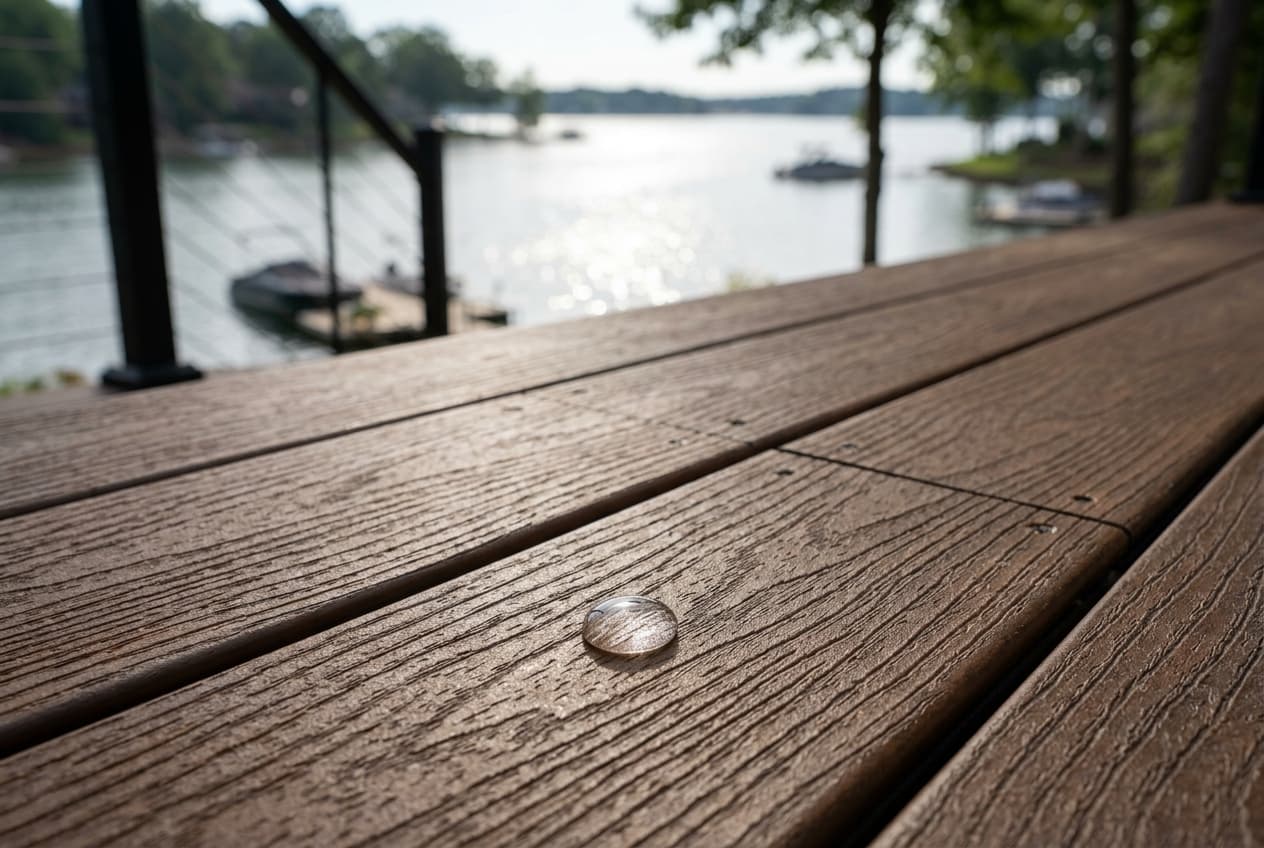
Composite vs. Wood: A Lifespan Comparison
When comparing composite decking to traditional wood, the lifespan is a key differentiator. As mentioned, pressure-treated wood typically lasts 10-15 years, while more exotic hardwoods might last 20-25 years with rigorous maintenance. However, wood is constantly battling against rot, insect damage, splintering, and fading, requiring annual sealing, staining, or painting to protect it. This ongoing maintenance is not only time-consuming but also adds to the overall cost of ownership.
Composite decking, with its average 25-30+ year lifespan and minimal maintenance requirements, offers a compelling long-term value proposition. While the initial investment for composite may be higher than for pressure-treated wood, the reduced need for costly repairs, replacements, and annual upkeep often makes composite the more economical choice over its lifetime. It provides peace of mind and more time to enjoy your outdoor space rather than working on it.

Signs Your Composite Deck May Be Nearing the End of Its Life
Even the most durable composite deck will eventually show signs of aging. While these decks are designed to last, it's good to know what to look for as they approach the end of their expected lifespan:
• Significant Fading or Discoloration: While some fading is normal over decades, widespread, severe, or uneven fading that doesn't respond to cleaning could indicate the protective cap layer is degrading.
• Cracking or Splitting: Unlike wood, composite shouldn't typically crack or split. If you observe this, especially on multiple boards, it could signal material degradation or an underlying structural issue.
• Persistent Stains: If stains become impossible to remove, it might mean the cap layer's integrity is compromised, allowing substances to penetrate the core.
• Soft Spots or Structural Instability: Any feeling of softness underfoot, excessive bouncing, or visible sagging in deck boards or the supporting structure is a serious concern and indicates a potential safety hazard. This could be due to substructure issues rather than the composite itself, but it warrants immediate inspection.
• Mold or Mildew that Won't Clean Off: While surface mold can usually be cleaned, if it's deeply embedded or returns very quickly after cleaning, it could point to a more porous surface due to aging.
If you notice any of these serious signs, it's wise to consult with a professional deck builder to assess the condition of your deck and discuss potential solutions or replacement options.
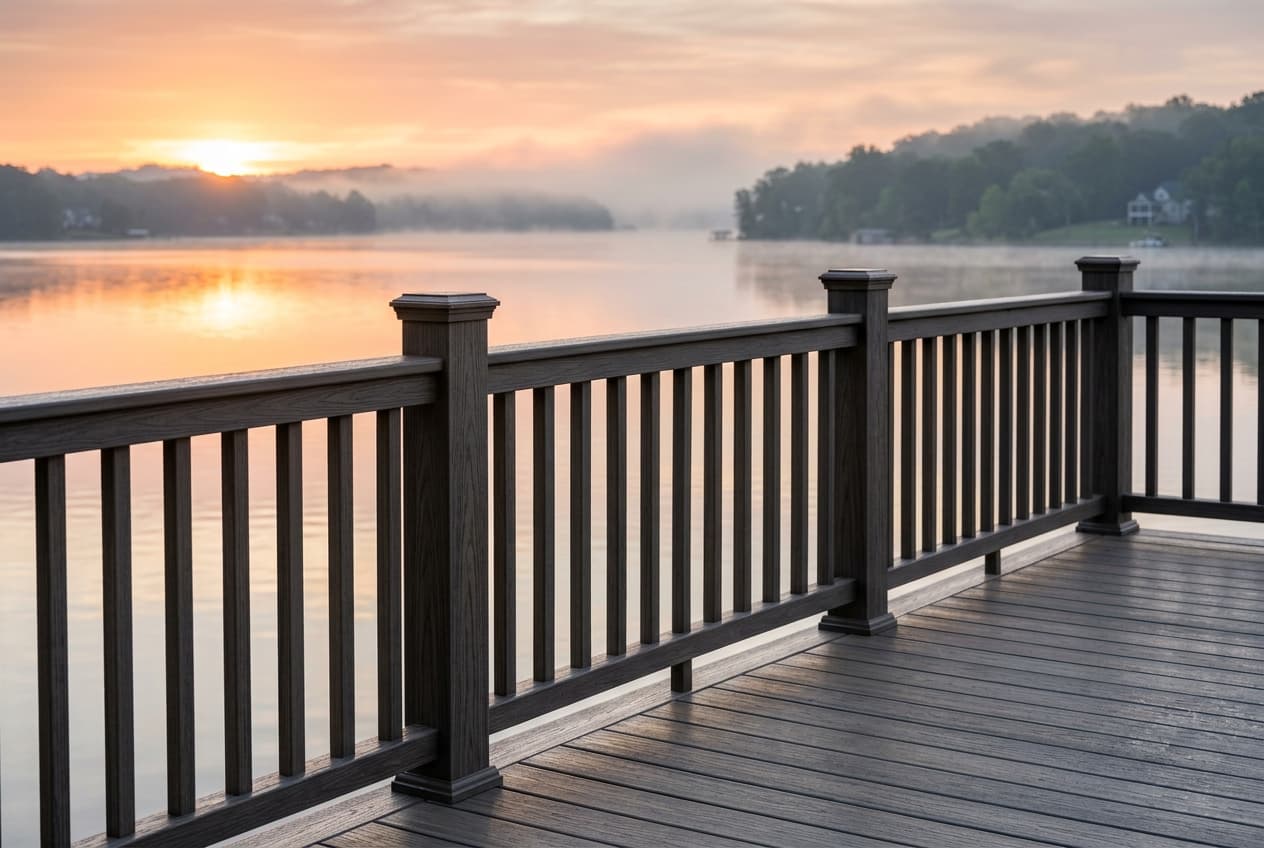
Maximizing Your Composite Deck's Lifespan
To ensure your composite deck reaches or even exceeds its expected lifespan, consider these best practices:
• Choose a Reputable Manufacturer: Invest in high-quality composite decking from a manufacturer with a strong warranty and a proven track record.
• Hire Certified Professionals: Ensure your deck is designed and installed by experienced professionals who understand the nuances of composite materials and local building codes. Lakeshore Deck Builder and Construction specializes in precise and durable deck construction.
• Regular Cleaning: Implement a routine cleaning schedule. Sweep off debris regularly, and wash the deck with mild soap and water a few times a year.
• Prompt Spill Cleanup: Address spills, especially grease or oil, immediately to prevent staining.
• Avoid Harsh Chemicals: Use only cleaning products recommended by the decking manufacturer. Harsh chemicals can damage the surface.
• Proper Drainage: Ensure your deck area has good drainage to prevent standing water, which can contribute to mold and mildew growth.
• Inspect Annually: Periodically check for any loose fasteners, signs of wear, or issues with the substructure. Early detection can prevent minor problems from becoming major ones.
Conclusion
The question of "How long does a composite deck last?" has a reassuring answer: with proper selection, professional installation, and minimal maintenance, your composite deck can provide 25 to 30 years or more of beautiful, functional outdoor living. This longevity, combined with its low-maintenance nature, makes composite decking an excellent long-term investment for any homeowner.
At Lakeshore Deck Builder and Construction, our team understands the nuances of composite decking and is dedicated to helping you choose the best materials and ensure a flawless installation that maximizes your deck's lifespan and enjoyment. We believe in building decks that stand the test of time, enhancing your home and lifestyle for decades to come.
Ready to explore the possibilities of a durable, beautiful composite deck for your home? Contact us today to discuss your project and get a free consultation!
Call Lakeshore Deck Builder and Construction at (602) 899-0687.
More ways to enjoy this guide
Watch & Listen
Listen to this article
Frequently Asked Questions
Does composite decking fade over time?
Modern composite decking, especially higher-quality capped composites, is engineered with UV inhibitors and a protective cap layer to resist fading significantly better than older generations or traditional wood. While some minor, initial fading (often referred to as 'weathering') can occur in the first few months, it generally stabilizes and remains consistent for many years. Premium brands often come with fade warranties, ensuring long-term color retention.
Is composite decking truly maintenance-free?
While composite decking is often described as low-maintenance, it is not entirely maintenance-free. It does not require sanding, staining, or sealing like wood. However, it still benefits from regular cleaning to remove dirt, pollen, leaves, and other debris that can lead to mold, mildew, or stains. A simple sweep and wash with mild soap and water a few times a year is usually sufficient to keep it looking its best.
What factors can shorten a composite deck's life?
Several factors can potentially shorten a composite deck's life, including poor-quality materials without a robust cap layer, improper installation (leading to inadequate drainage or structural stress), neglect of basic cleaning (allowing mold and mildew to take hold and degrade the surface), and exposure to harsh chemicals not recommended by the manufacturer. Extreme environmental conditions and heavy, abrasive use without proper care can also contribute to premature wear.
Our Deck Services
Lakeshore Deck Builder and Construction designs and builds outdoor living spaces across the Lake Norman area:
Ready to Build?
Get a free estimate from Lakeshore Deck Builder and Construction — call (602) 899-0687 or reach out through lakeconstruction.net.