A pergola is one of the most popular additions homeowners choose when they want to upgrade their backyard without committing to a fully enclosed structure. This open-roofed framework creates a defined outdoor living space, adds architectural charm to a patio or deck, and provides just enough shade to make outdoor dining, lounging, or entertaining comfortable even on sunny afternoons. Because pergolas come in so many styles, sizes, and material options, they're one of the most flexible outdoor upgrades available for almost any home. Naturally, one of the first questions homeowners ask is simple: how much does it actually cost to build one? The honest answer is that pricing depends on several variables, including the materials used, the overall size of the structure, the complexity of the design, and whether the project includes extras like built-in lighting, a retractable canopy, or custom seating. Because every yard and every homeowner's vision is different, the final price can vary quite a bit from one project to the next, which is why it helps to understand each cost driver individually before setting a budget. At Lakeshore Deck Builder and Construction, we've built pergolas ranging from simple, freestanding cedar frames to elaborate, fully covered outdoor rooms complete with lighting and privacy features. In this guide, we'll walk through the factors that actually drive pergola pricing so you can budget with confidence, avoid surprises, and know exactly what questions to ask before starting a project.
Average Cost Range for a Pergola
Most residential pergolas fall somewhere between a few thousand dollars for a small, basic kit-built structure and well over ten thousand dollars for a large, custom-designed pergola with premium materials and features. Because pergola cost depends so heavily on the specifics of a given project, it's more useful to think in ranges tied to scope rather than a single flat number. A modest 10-by-10-foot wood pergola with a simple lattice roof will land on the lower end, while a large, custom steel or aluminum structure with a louvered roof system and integrated lighting will land on the higher end. Attached pergolas that connect to an existing home structure often cost less than freestanding designs, since they require fewer support posts and less overall material. Local material availability, current lumber and metal pricing, and contractor demand in your area can also nudge the final number up or down, which is another reason it pays to get more than one detailed quote before committing to a design.
Want an exact number for your project?
Materials and How They Affect Price
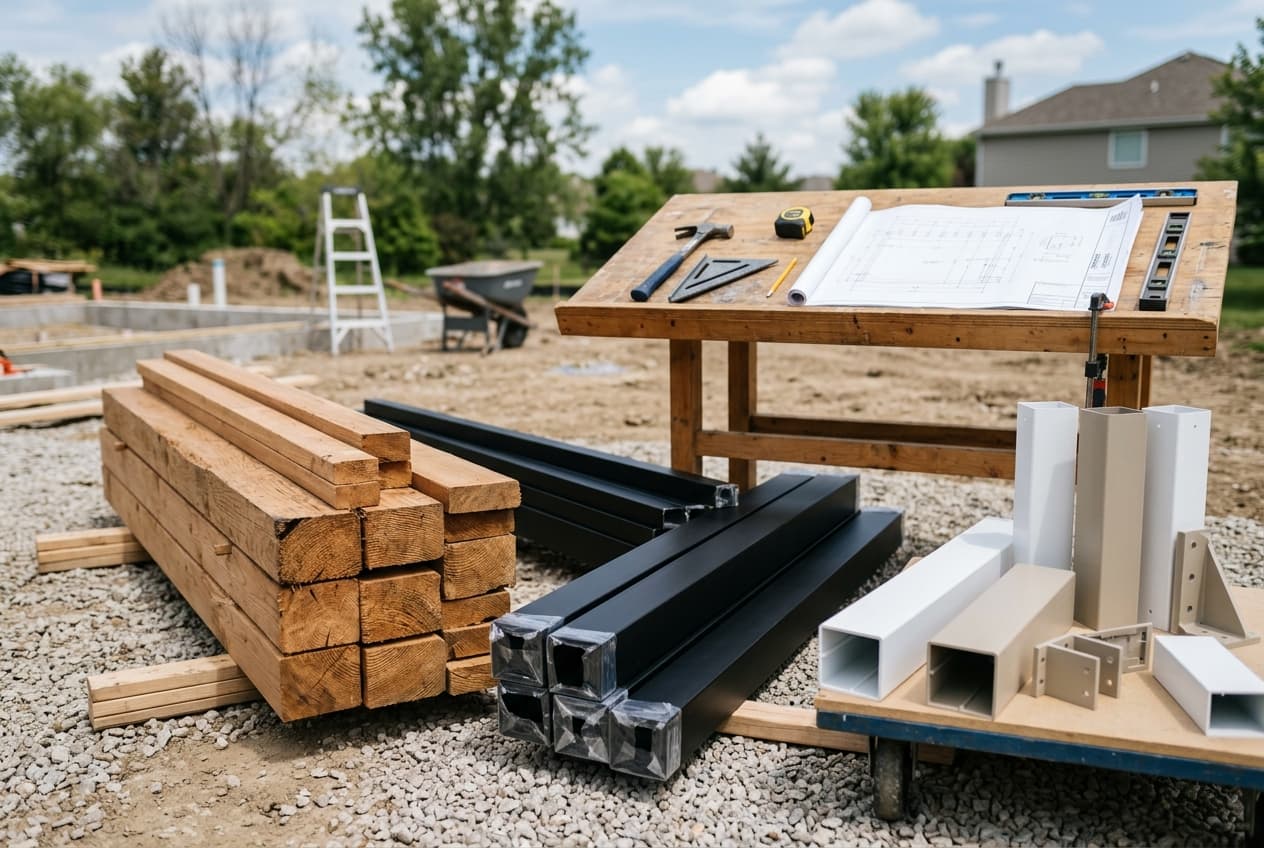
Material choice is one of the biggest cost drivers in any pergola project. Pressure-treated pine is the most budget-friendly option and holds up well for years when properly maintained. Cedar and redwood cost more but offer natural resistance to rot and insects along with a richer, more polished appearance that many homeowners prefer. Vinyl and composite pergolas cost more upfront but require very little long-term maintenance, which appeals to homeowners who want to avoid regular staining or sealing. Aluminum and steel structures sit at the premium end of the spectrum, prized for their clean lines, long-term durability, and ability to support heavier roof systems like louvered or motorized covers. Some homeowners also choose a hybrid approach, pairing wood posts with metal accents or a composite roof system, landing somewhere in the middle of the price spectrum while still getting some of the low-maintenance benefits of composite and metal materials.
Size and Design Complexity
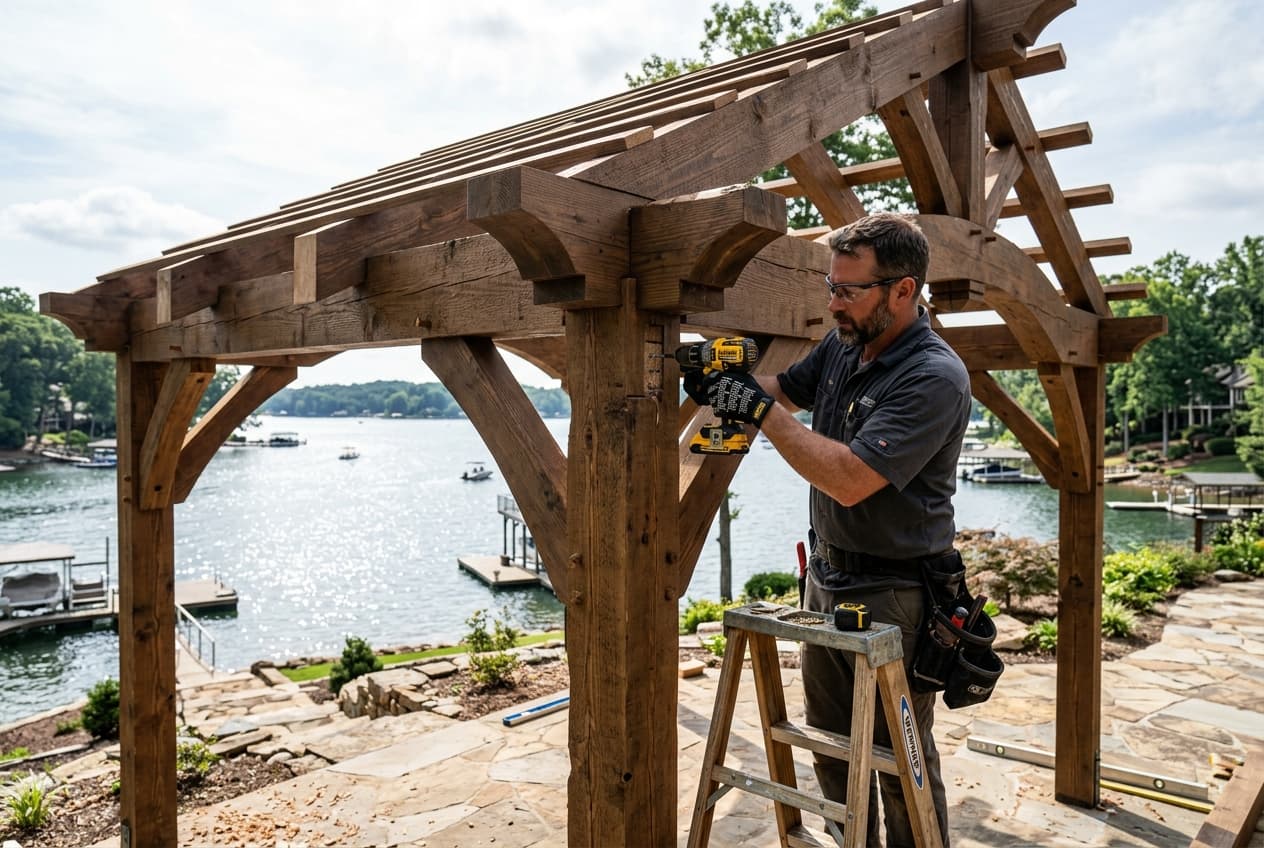
A small, simple pergola designed to shade a single seating area will always cost less than a large structure meant to cover an entire patio or outdoor kitchen. Beyond square footage, design complexity plays a major role in the final price. Custom angles, curved beams, multiple posts, and non-standard shapes all require more labor, more precise measurements, and more material, which adds to the total cost. A straightforward rectangular design with standard post spacing remains the most economical option, while intricate custom designs with unique rooflines push costs upward.
Roof and Cover Options
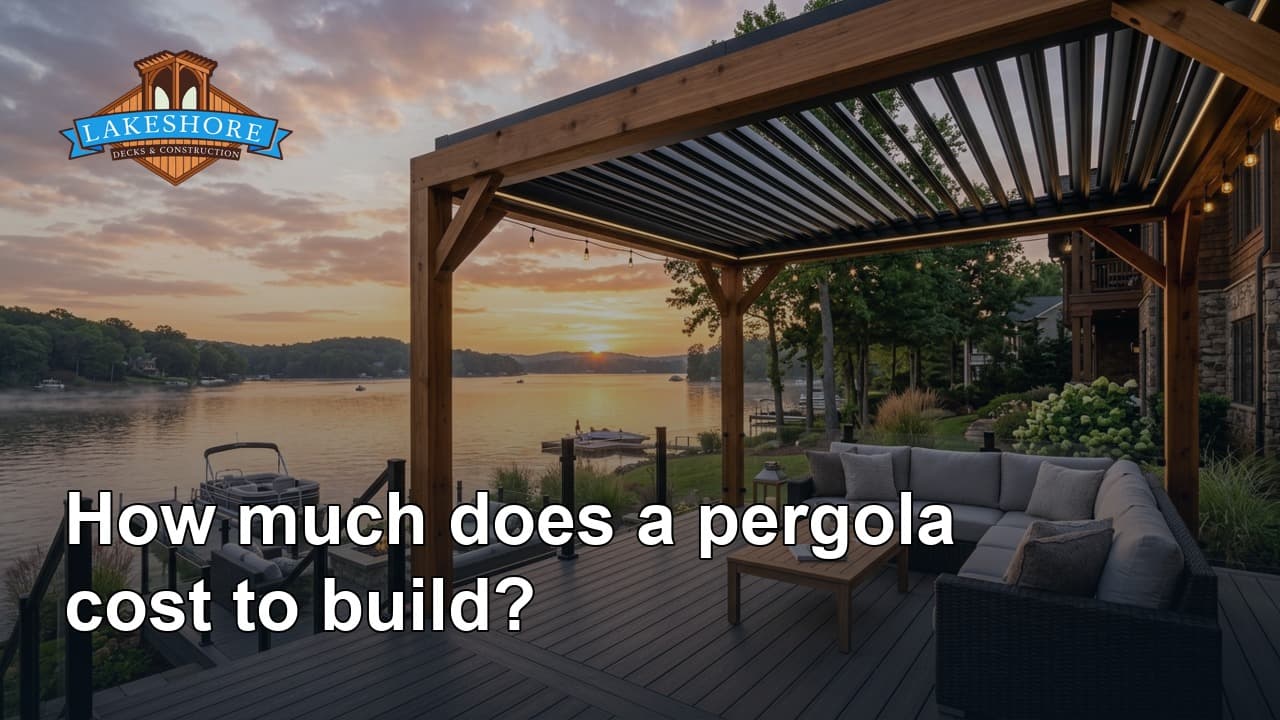
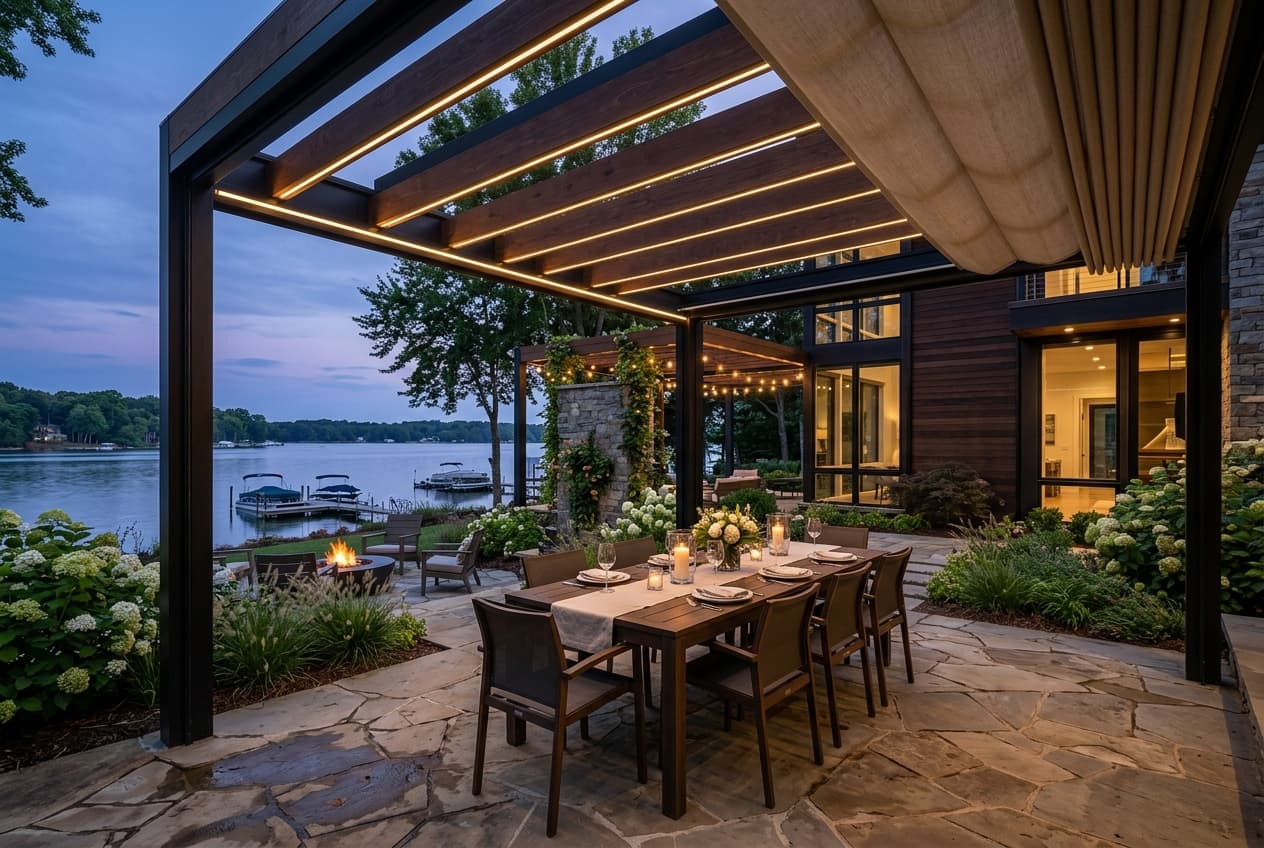
The traditional open-lattice pergola roof is the most affordable option, offering partial shade while still letting light and air pass through. Homeowners who want more coverage often upgrade to polycarbonate panels, retractable fabric canopies, or motorized louvered roof systems that can be adjusted for sun or rain at the push of a button. Each of these upgrades adds cost, but they also add functionality, turning a pergola from a decorative accent into a true all-weather outdoor living space that can be used rain or shine. In areas that see heavy rain or intense sun for much of the year, a more substantial roof covering often pays for itself by making the space usable more often throughout the seasons.
Site Preparation and Installation
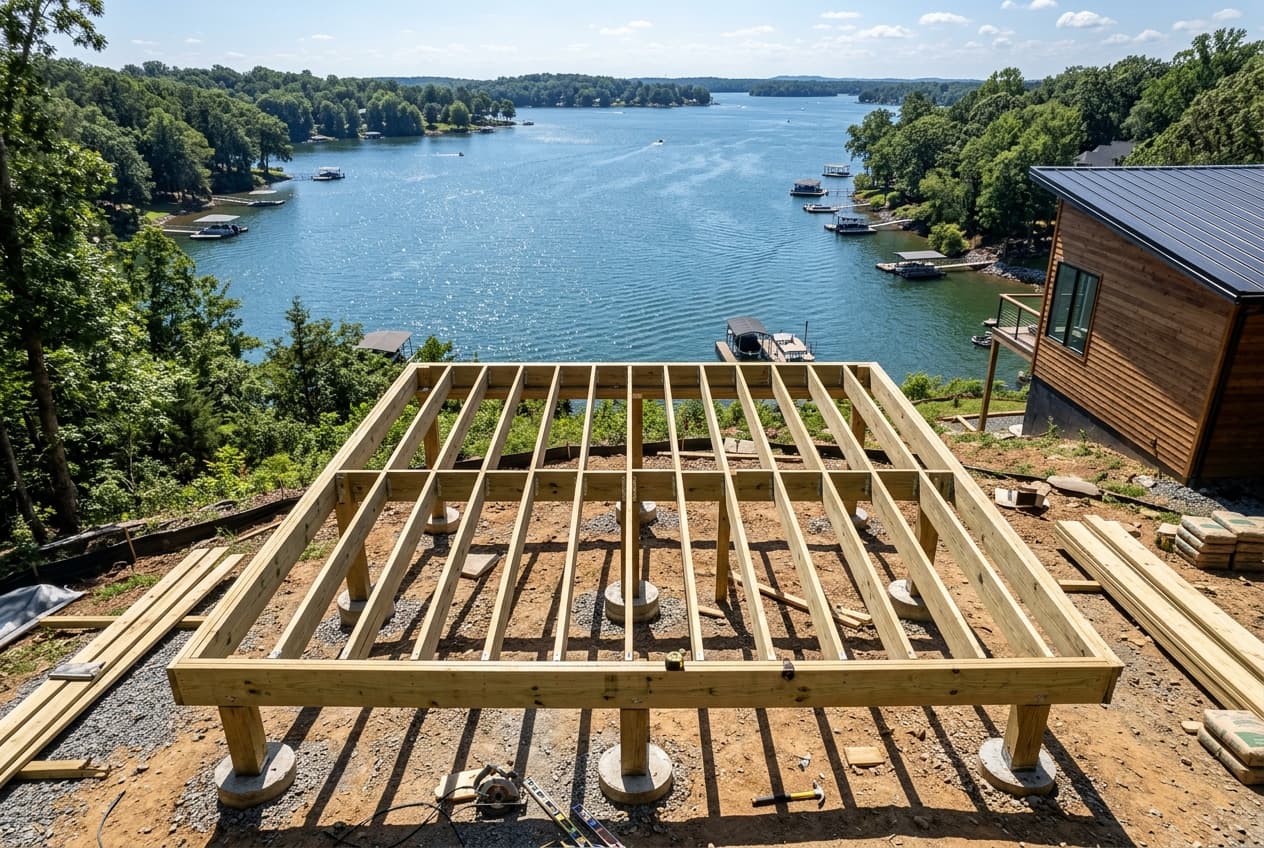
Before any structure goes up, the site has to be properly prepared. This can include grading, removing old landscaping, pouring concrete footings, and, in some cases, installing a paver or deck surface underneath the pergola. Freestanding pergolas built on existing patios or decks are generally less expensive to install than those requiring brand-new footings or foundation work. Depending on your local jurisdiction, permits may also be required, which can add a modest cost and should be factored into your overall budget from the start. Good drainage planning during site preparation also matters, since water pooling near footings can shorten the lifespan of the structure and lead to costly repairs down the road.
Additional Features That Add to the Price
Many homeowners choose to enhance their pergola with features that increase both cost and everyday enjoyment. Popular additions include integrated LED lighting, ceiling fans, privacy screens or curtains, built-in seating or planters, and outdoor speakers. Staining or painting the structure with a premium finish also adds to the total price but improves both appearance and longevity. While none of these features are required, they're worth considering during the planning stage, since retrofitting them after construction is often more expensive than including them in the original build.
DIY vs. Professional Installation
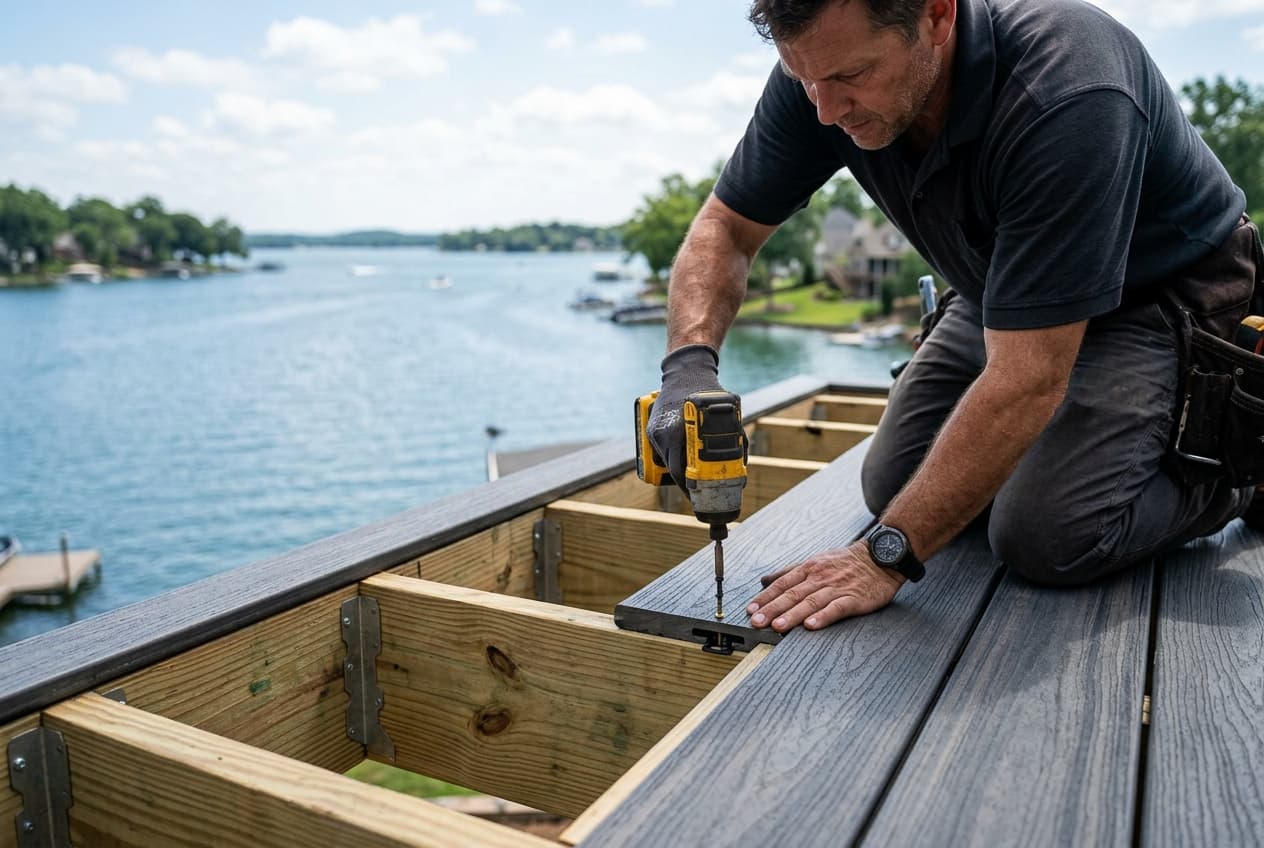
Prefabricated pergola kits can look appealing from a cost standpoint, but they often come with tradeoffs in material quality, structural durability, and design flexibility. A professionally built pergola typically uses sturdier lumber or metal, proper engineering for local wind and weather conditions, and finish carpentry that a boxed kit simply can't match. When you factor in the time, tools, and potential mistakes involved in a DIY build, many homeowners find that professional installation from an experienced team like Lakeshore Deck Builder and Construction delivers better long-term value, along with a structure that's built to last. It's also worth factoring long-term maintenance into your overall cost comparison, since a cheaper material that needs restaining or resealing every year or two can end up costing more over a decade than a pricier, low-maintenance option chosen up front.
More ways to enjoy this guide
Watch & Listen
Frequently Asked Questions
How much does a basic pergola cost?
A basic, freestanding wood pergola with a simple lattice roof typically represents the most affordable option, especially when built on an existing patio or deck rather than requiring new footings. Exact pricing depends on size, material grade, and site conditions.
Does a pergola add value to my home?
Yes. A well-built pergola enhances outdoor living space, improves curb appeal, and is generally viewed favorably by home buyers, since it signals a functional, move-in-ready backyard. The return on investment depends on the quality of construction and how well the structure complements the rest of the property.
How long does it take to build a pergola?
Timelines vary based on size and design complexity, but most standard pergola projects can be completed within a few days to about a week once materials are on-site and any necessary permits are secured. Larger or highly custom structures may take longer to complete. Because so many variables affect the final price, the most accurate way to get a number for your specific project is a personalized consultation. Our team at Lakeshore Deck Builder and Construction will walk you through material options, design choices, and add-on features so there are no surprises once construction begins. Ready to find out what your dream pergola would actually cost? Give us a call at (602) 899-0687, and we'll help you design a beautiful, budget-friendly outdoor space you'll enjoy for years to come.
Our Deck Services
Lakeshore Deck Builder and Construction designs and builds outdoor living spaces across the Lake Norman area:
Ready to Build?
Get a free estimate from Lakeshore Deck Builder and Construction — call (602) 899-0687 or reach out through lakeconstruction.net.